Toms River Short-Term Rentals: What Buyers Need to Know
May 21, 2026
May 21, 2026
Thinking about buying a Toms River property and offsetting costs with short-term rental income? That idea can work in some shore markets, but Toms River is more restrictive than many buyers expect. If you are considering a second home, an investment angle, or a barrier-island purchase, understanding the rules first can save you from an expensive mistake. Let’s dive in.
In Toms River, the big issue is not demand. It is legality. The township does not operate as a broad, year-round short-term rental market.
On the mainland, no dwelling or part of a dwelling may be rented for less than 30 days. That means a typical Airbnb or VRBO strategy is generally not allowed for mainland homes. For most buyers, that single rule changes the entire investment picture.
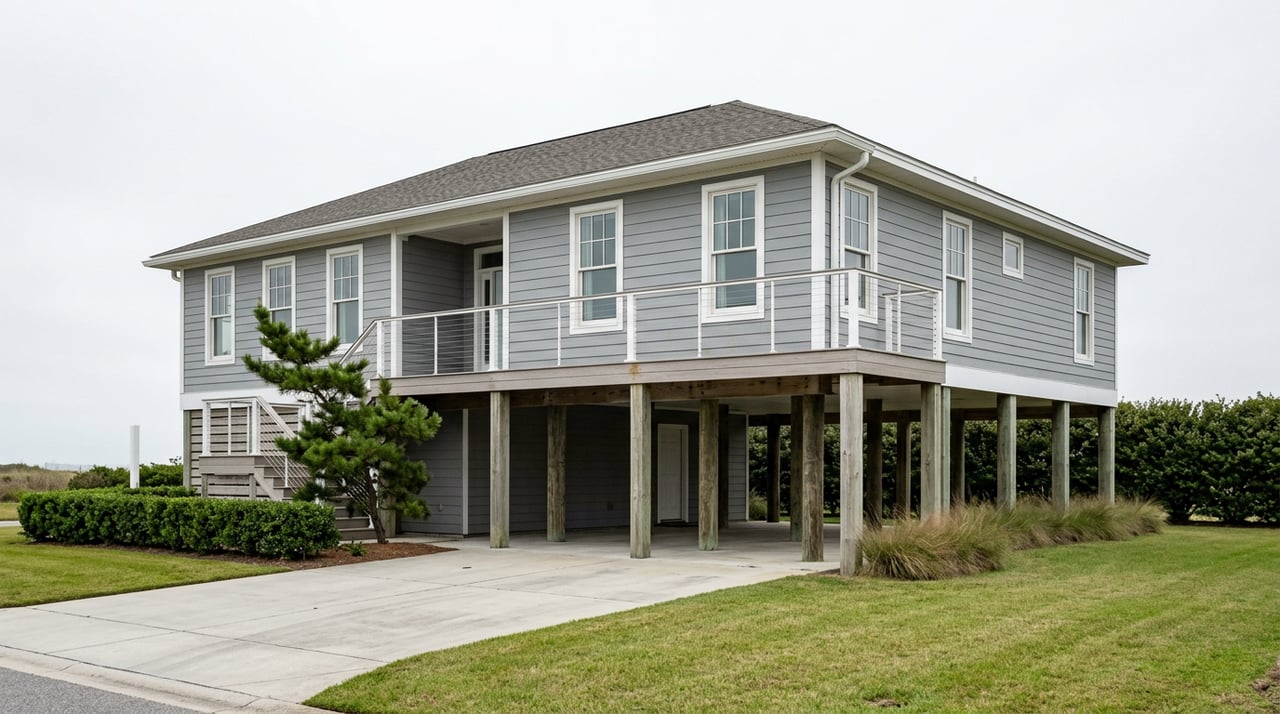
The only true short-term rental carve-out is on the barrier island. There, minimum two-day rentals are allowed from April 1 through November 30. Outside that seasonal window, short-term rentals are not permitted.
This is where many buyers need to slow down and underwrite carefully. Two homes with similar price points can have very different rental potential based only on location.
If a property is on the mainland, stays under 30 days are prohibited. In practical terms, that means you should usually evaluate mainland homes as long-term rentals or more traditional seasonal rentals, not as flexible short-stay assets.
Some buyers wonder whether renting a room creates a workaround. In Toms River, that path is narrow and heavily limited. It requires year-round owner occupancy, a minimum one-month tenancy, one tenant, at least two bedrooms, required insurance, and compliance with occupancy and parking rules.
For a second-home buyer hoping for frequent guest turnover, that room-rental exception is usually not a realistic substitute for a true short-term rental model.
If a property is on the barrier island, the opportunity is clearer, but still controlled. Short-term rentals are allowed only within the township’s seasonal framework, and they still require compliance before you lease, occupy, or even advertise the property.
That makes barrier-island buying less about chasing headline revenue and more about confirming legal use first. If the home is not properly registered, inspected, insured, and approved, projected rental income may not be dependable.
Even where short-term rentals are allowed, this is a very seasonal market. Ocean County identifies summer as the core tourism season, with beaches drawing heavy visitor traffic and a shoulder season that can extend through October.
Toms River’s beaches on the barrier island, including Ortley Beach and Dover Beaches South, follow a summer rhythm as well. The township notes guarded beaches in summer, badge or pass requirements, and a last day of guarded beaches on September 1. For buyers, that reinforces a simple point: the strongest rental demand is tied to summer and early fall, not steady year-round occupancy.
Current market data supports that pattern. AirROI estimates average annual Airbnb revenue in Toms River at $40,271, with an average daily rate of $515 and occupancy of 38.7 percent. July is the peak revenue month, while February is the weakest.
That does not mean the market lacks opportunity. It means you need to plan for uneven cash flow. A strong summer can still be followed by a very quiet winter.
Short-term rental listings can produce attractive gross numbers on paper. But in Toms River, gross revenue is only the starting point.
AirROI data shows median monthly revenue around $3,717, average stay length of about 6.3 nights, and average booking lead time of roughly 83 days. Those numbers suggest a market where planning, pricing discipline, and calendar management matter.
Turnover costs can also take a meaningful bite out of income. The same dataset shows an average cleaning fee of $327, and most active listings charge one. With shorter stays, cleaning, linens, and guest turnover become recurring operating costs that can materially compress net returns.
Then there are the fixed costs that continue whether the property is booked or not:
If you are evaluating a Toms River purchase for income potential, the right question is not just, "What can this property make in July?" It is, "What does this property net after fees, compliance, carrying costs, and winter slowdown?"
Toms River requires every rental unit to be registered and certified for occupancy before it may be leased, rented, occupied, or advertised. The rental certificate number must also appear prominently in advertisements.
For seasonal and short-term rentals, the township requires annual inspection and certification by April 30. The township fee schedule lists $150 for registration and inspection, plus $50 for amended registrations and reinspections.
The property must also be fully insured for rental purposes. In addition, municipal taxes, water and sewer charges, and other municipal assessments must be current before a rental certificate can be issued.
That matters because compliance in Toms River is not just a paperwork formality. It directly affects whether you can market the property legally and whether income assumptions are usable at all.
For transient accommodations in New Jersey, rentals obtained through a transient space marketplace such as Airbnb or VRBO, or rentals that are professionally managed, are subject to Sales Tax and the State Occupancy Fee. Toms River also appears on the current municipal occupancy tax list at 3 percent, effective January 1, 2022.
There may be statutory exclusions in certain broker-executed situations, but buyers should confirm how their expected rental structure would be treated before relying on a projected net return.
There is also a lead-paint inspection angle to consider for some rental dwellings. New Jersey exempts single-family and two-family seasonal rentals that are rented for less than six months per year and do not have consecutive lease renewals. Depending on the property and rental plan, that exemption may matter.
Municipal approval is only one layer. Toms River’s own FAQ notes that homeowner associations may impose rules or deed restrictions that are more restrictive than township ordinances.
That means a property could sit in an area where township rules allow a seasonal short-term rental, but the HOA or condo association still prohibits it. Before closing, you should review the master deed, bylaws, house rules, and any rental amendments with care.
For many second-home buyers, this is where the deal either works or falls apart. A property’s legal rental use is shaped by both the township code and the association documents.
Short-term rental decisions in Toms River involve more than booking calendars. The township has made clear that its rules are designed to protect safety, quality of life, and the surrounding community.
That means enforcement risk is real, especially if a property is used outside the rules or advertised without proper certification. It also means guest behavior, parking, occupancy, and neighborhood impact are part of the operating environment.
The biggest risks usually include:
If you are serious about buying in Toms River with rental income in mind, it helps to follow a simple order of operations.
First, determine whether the home is on the mainland or barrier island. That single fact will often tell you whether a short-term strategy is even possible.
Next, confirm the township rules that apply to that exact property. You want clarity on minimum stay requirements, seasonal windows, registration, inspection, insurance, and advertising requirements.
If the property is in an HOA or condo association, review all rental restrictions before you get too far into underwriting. Association limits can be stricter than township rules.
Use seasonal assumptions, not best-case assumptions. If July is strong and February is weak, your numbers should reflect that pattern.
Model cleaning, utilities, vacancy, taxes, maintenance, and compliance costs. A property that looks attractive on headline revenue can feel very different once real operating expenses are applied.
Toms River can offer meaningful rental income in the right location, but it is not a broad, free-form short-term rental market. On the mainland, rentals under 30 days are generally prohibited. On the barrier island, short-term rentals may work, but only within a seasonal framework and only with full compliance.
For many buyers, the best approach is to think location first, legal use second, returns third. When you underwrite in that order, you are far less likely to confuse a lifestyle purchase with an income strategy the property cannot actually support.
If you are weighing a Toms River or Jersey Shore purchase and want a clear, fact-based view of how location, use, and resale potential fit together, Christopher Pizzola can help you evaluate the opportunity with discretion and local market insight.
Stay up to date on the latest real estate trends.


Providing his clients with a true luxury brand and representation is the foundation of his business. Contact him today to find out how he can be of assistance to you.