Jersey Shore Flood Zones and Smarter Buying Decisions
May 28, 2026
May 28, 2026
Buying near the water can feel like a dream until flood maps, insurance quotes, and elevation details start raising big questions. If you are considering a Jersey Shore property from the New York metro area or closer to home in New Jersey, it helps to know that a flood zone label can affect far more than peace of mind. It can shape your financing, your carrying costs, your renovation plans, and even whether a deal still makes sense after due diligence. Let’s dive in.
At the Jersey Shore, flood zones often influence buying decisions long before closing. They can affect whether flood insurance is required, how much that insurance may cost, and how lenders view the property.
FEMA identifies Special Flood Hazard Areas as places with at least a 1 percent annual chance of flooding. FEMA also notes that this translates to at least a one-in-four chance over a 30-year mortgage, which is why flood review is a core step for many coastal buyers.
FEMA’s Flood Map Service Center is the official source for flood hazard maps. On those maps, A and V zones are the high-risk designations that usually draw the most attention from buyers.
Shaded X generally indicates moderate risk, while unshaded X points to minimal risk. That said, the map is a starting point, not the whole story.
According to NJDEP, New Jersey’s coast faces flooding, storm surge, chronic erosion, sea level rise, extra-tropical storms, and hurricanes. In practical terms, that means a property does not need to sit directly on the ocean to deserve careful flood due diligence.
A bayfront home, a house near a river, or even a property on a low-lying interior street may still carry meaningful flood exposure. For buyers weighing waterfront or water-adjacent homes, that broader context matters.
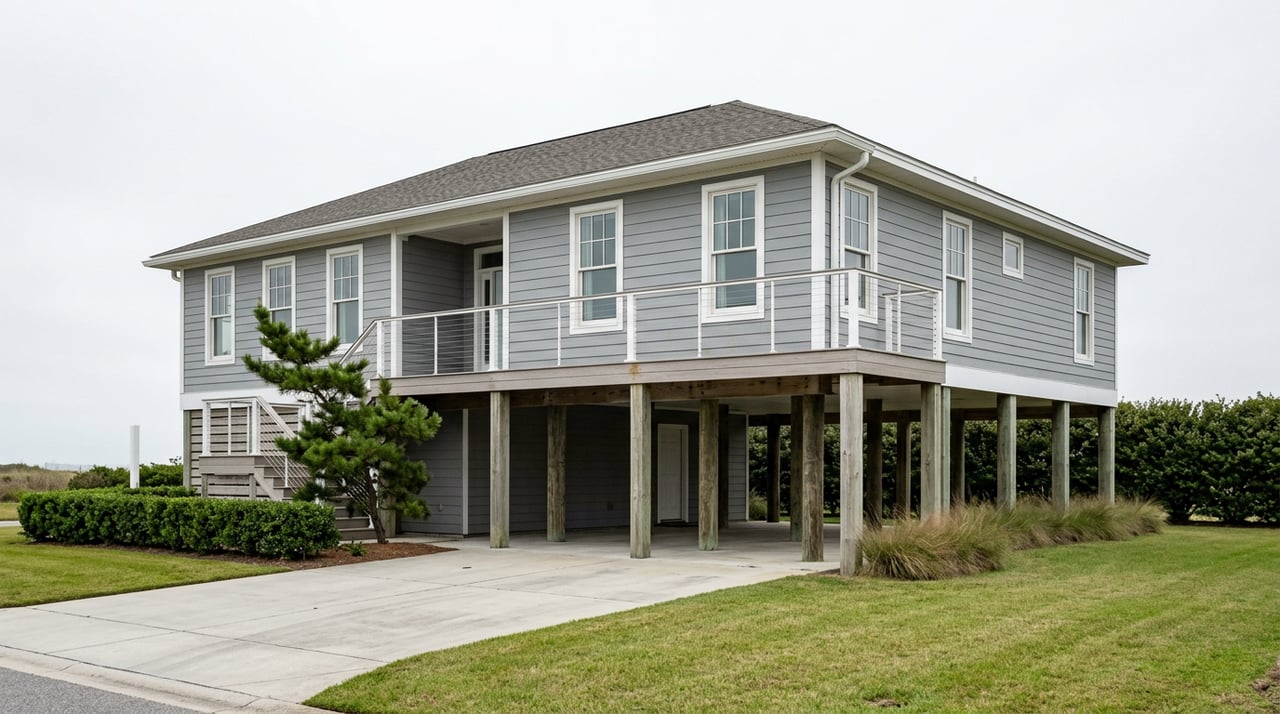
Not all high-risk zones carry the same implications. A zones are high-risk flood areas, while V zones are coastal high hazard areas that face added risk from waves, erosion, and hurricane-force winds.
That distinction matters because V zones typically come with stricter construction and design standards. If you are comparing two similar homes, one in an A zone and one in a V zone, the long-term ownership considerations may be very different.
Some A zones do not show detailed depths or base flood elevations on the map. That is one reason buyers should avoid relying on the map label alone when evaluating risk or future costs.
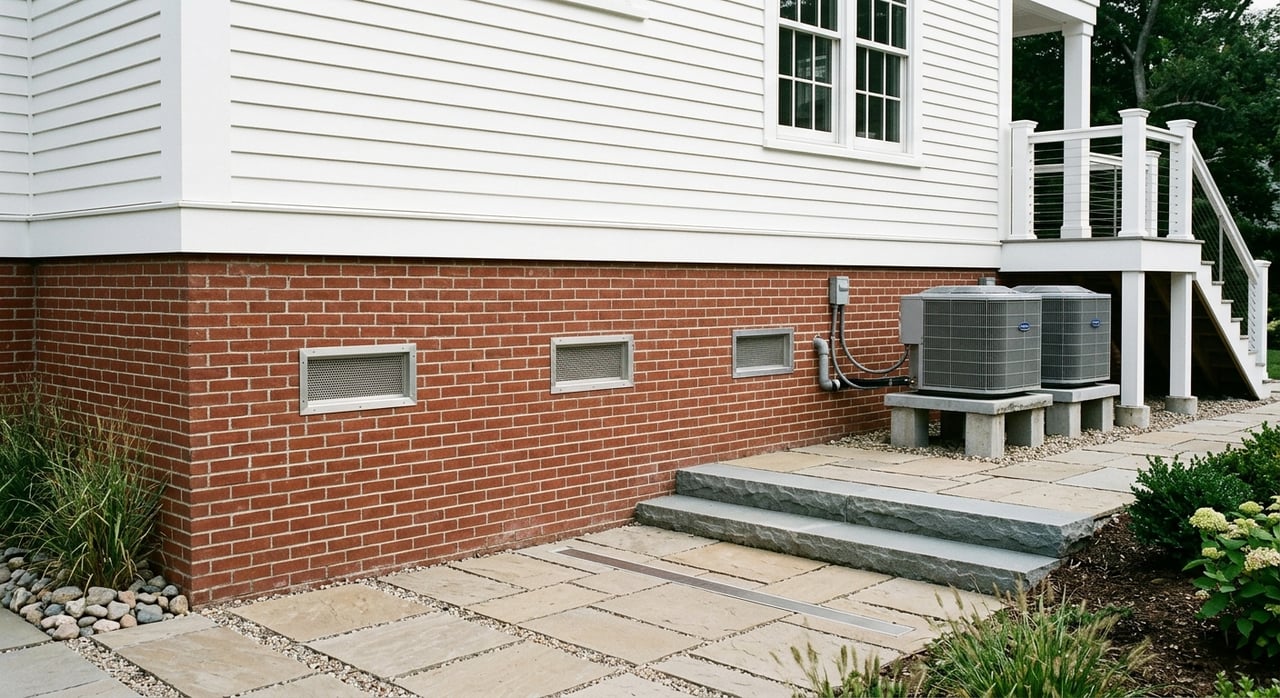
The exact elevation of the lot and the first occupied floor can matter just as much as the zone itself. Two homes on the same block can have very different insurance outcomes if one sits meaningfully higher than the other.
For many buyers, the flood insurance quote becomes one of the most important numbers in the transaction. FEMA states that flood insurance is separate from homeowners insurance, and standard homeowners policies generally do not cover flood damage.
FEMA also says homes in high-risk flood areas with mortgages from government-backed lenders are generally required to carry flood insurance. That can directly affect your monthly payment and your comfort level with the purchase.
Flood insurance premiums are not based on zone alone. FEMA says pricing can depend on the amount and type of coverage, the property’s location and zone, the design and age of the structure, and in many high-risk cases, the building’s elevation relative to base flood elevation.
This is why two Jersey Shore homes with similar asking prices can produce very different carrying costs. A well-elevated home may present a very different insurance picture than a lower home nearby.
Buyers should request a flood insurance quote early in the process. FEMA notes that NFIP policies usually have a 30-day waiting period unless the policy is tied to a lender requirement or a community map change.
That does not mean every transaction will be delayed, but it does mean you should not leave this step until the last minute. Early pricing helps you evaluate affordability with fewer surprises.
One of the best ways to move beyond assumptions is to ask for the right paperwork. In a coastal or flood-sensitive purchase, documents can tell you much more than listing remarks ever will.
Here are the key items to request during due diligence:
An elevation certificate is often one of the most useful documents in a coastal transaction. FEMA says it is completed by a licensed surveyor, engineer, or architect and is used where elevation information is required in several flood zone categories.
For buyers, the value is straightforward. It helps show whether the first occupied floor is above or below the benchmark used for rating and compliance.
If a property is nonresidential or mixed-use, a floodproofing certificate may be important. FEMA says full insurance rating credit requires the floodproofed design elevation to be at least one foot above base flood elevation.
If a seller says a building was mitigated or floodproofed, ask for the actual certificate. Verbal assurances are not a substitute for formal documentation.
Sometimes a survey or technical review suggests a property may have been mapped too conservatively, or that fill and elevation data support a different classification. FEMA has a formal map-change process for these situations.
LOMA, LOMR, and LOMR-F tools allow a property owner or community to request a map revision using certified technical data. For some buyers, this can be an important part of understanding whether the current map result fully reflects the site.
Flood risk is not just a buying issue. It can shape what you are allowed to do with the property after closing.
If you plan to renovate, elevate, rebuild, or expand, New Jersey permitting requirements should be part of your review before you commit. This is especially important for buyers considering value-add projects or major updates.
In New Jersey, coastal and flood-hazard permitting runs through NJDEP’s Coastal Management Program and Flood Hazard Area Control Act rules. According to NJDEP, applications received after January 1, 2025, involving regulated activities in a FEMA-delineated floodway must include either a no-rise certification with supporting technical data and local floodplain administrator approval, or an approved CLOMR, before DEP approval.
For buyers, that matters because future work may involve more time, more professional input, and more cost than expected. A property that looks promising on paper may become more complex once permit pathways are reviewed.
Common mitigation steps at the Shore include elevating the structure or key systems and using flood-resistant materials below base flood elevation. In V zones, stricter anchoring and wave-action rules may also apply, and FEMA says certification by a registered professional engineer or architect is required for that type of coastal high hazard design review.
These upgrades can improve a home’s performance and may help with rating. Still, they reduce risk rather than eliminate it.
NJDEP publishes Coastal Vulnerability Index maps for 239 coastal municipalities across present-day, 2030, 2050, and 2100 scenarios. These can be helpful as a broad planning tool when you are comparing areas or thinking long term.
Still, they do not replace a FEMA flood map, a site survey, or an engineer’s parcel-specific review. For any serious purchase, the property itself should remain the focus.
If you are evaluating a Jersey Shore property, this simple framework can help you make a more confident decision:
In premium Jersey Shore markets, flood exposure rarely tells the whole story by itself. A property may still be a strong purchase if the elevation, insurance profile, construction quality, and future use all align with your goals.
The key is knowing what you are buying before you fall in love with the view. When you review flood maps, documents, insurance, and permitting together, you can make a more informed decision with fewer surprises after closing.
Whether you are considering a waterfront estate, a second home near the bay, or a renovation opportunity with long-term upside, careful due diligence is what turns uncertainty into strategy. If you want a consultative review of Shore properties with local perspective and practical insight, Christopher Pizzola can help you assess the details that matter most.
Stay up to date on the latest real estate trends.


Providing his clients with a true luxury brand and representation is the foundation of his business. Contact him today to find out how he can be of assistance to you.