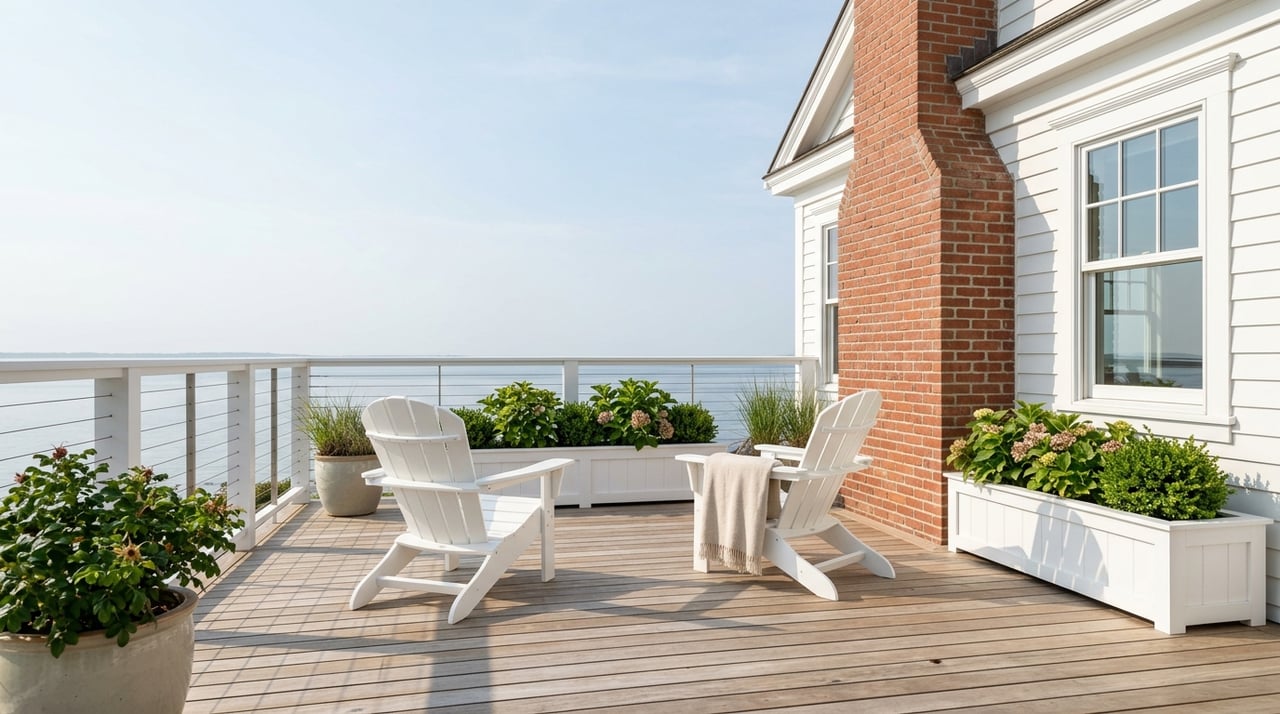
How to Find the Right Jersey Shore Beach Town for You
June 11, 2026
June 11, 2026
Wondering which Jersey Shore town actually fits the way you want to live? That question matters more than most buyers realize, because the Shore is not one place with one lifestyle. If you are starting your search from Jersey City or the greater New York metro, this guide will help you compare towns by vibe, beach access, transit convenience, and coastal risk so you can narrow your list with more confidence. Let’s dive in.
The Jersey Shore is best understood as a full coastal region, not a single market. New Jersey’s official travel materials describe it as a 127-mile sandy coastline, and state coastal materials describe the Atlantic oceanfront from Sandy Hook to Cape May as about 126 miles within a broader coastal zone.
That means your choice is not just about living near the beach. You are really choosing among different combinations of beach access, town energy, walkability, rail service, parking, seasonality, and storm exposure.
For buyers coming from Jersey City, that distinction is especially important. Two towns may both be “at the Shore,” but the day-to-day experience can feel completely different depending on how often you plan to use the home and what kind of setting you want.
It is tempting to begin with budget and inventory. That matters, of course, but at the Shore, your lifestyle fit often shapes your satisfaction more than the first list price you see.
A better first step is to rank what matters most to you. In many cases, the right town becomes clearer when you sort your options by energy level, beach access style, transit convenience, and flood tolerance.
If you can answer those questions early, you will save time and avoid touring towns that do not match how you actually want to spend your time.
One of the fastest ways to narrow your search is to decide how much activity you want around you. Some Jersey Shore towns are intentionally quieter and more residential, while others center daily life around the boardwalk, events, dining, and visitor traffic.
Neither option is better. The right fit depends on whether you picture calm mornings, lower-key streets, and a more residential rhythm, or a place where entertainment and beachfront activity are part of the appeal.
Bay Head describes itself as a quiet, residential resort community. Sea Girt presents a primarily residential setting with small-town charm, while Spring Lake emphasizes shade trees, quality of life, and an organized beach-and-pool system.
Ocean Grove offers a different kind of lower-key feel. Its official materials describe a highly walkable, square-mile town with a less commercial beachfront atmosphere and free parking around town.
Mantoloking also fits the small-scale, lower-density side of the Shore. It is a very compact barrier-island community, which can appeal to buyers seeking a more secluded coastal setting.
If you want more energy, Asbury Park, Point Pleasant Beach, and Long Branch stand out. Asbury Park’s boardwalk includes music, restaurants, retail, mini golf, playgrounds, and a splash park, creating a more active beach-day experience.
Point Pleasant Beach leans into the classic amusement-boardwalk profile, with rides, arcades, dining, and an aquarium. Long Branch offers a city-beach blend, with events, arts programming, beachfront access, and the Pier Village area.
For some buyers, that activity is the whole point of owning at the Shore. For others, it can feel too busy in peak season, so it is worth being honest about what you want on both a July weekend and a quiet February morning.
Beach access rules are not uniform across the Jersey Shore. This is one of the biggest details buyers overlook, and it can shape your everyday experience more than expected.
New Jersey coastal access rules recognize public rights to tidal waters up to the mean high water line, but towns manage beach use in different ways. In practice, that means each municipality may have its own system for access points, badges, beach staffing, and amenities.
Some towns have managed municipal beaches with lifeguards, restrooms, lockers, and controlled entry. Others may offer free public access points while still charging for certain staffed beach facilities.
Sea Bright is a strong example of that difference. The town has seven free public beach access ways on Ocean Avenue, but its municipal beach and Anchorage Beach require daily or seasonal badges during the lifeguarded season.
Bay Head is different again. Its beaches are operated independently by the Bay Head Improvement Association rather than by the borough government.
If you plan to spend long stretches of time at the beach, details like badges, restrooms, locker access, and staffed facilities may matter a lot. If you mainly want quick morning walks, occasional afternoon visits, or flexible access for guests, the setup in one town may feel easier than another.
This is why beach access should be part of your town selection, not just something you review after you go under contract. A home can be beautiful, but if the beach-use system does not fit your habits, the lifestyle may not feel as effortless as you hoped.
For many buyers in Jersey City and the wider New York metro, transportation can be a major deciding factor. NJ Transit’s North Jersey Coast Line serves stations including Bay Head, Point Pleasant Beach, Manasquan, Spring Lake, Belmar, Asbury Park, and Long Branch, and the line provides direct service to Penn Station New York, with shuttle service between Bay Head and Long Branch for some trips.
That rail access gives certain Shore towns a clear convenience advantage for weekend travel or part-time commuting. Still, train service alone does not tell the whole story.
Even in more transit-friendly Shore towns, station amenities, parking, bike storage, and the distance from the station to the beach vary by location. A town may look ideal on a rail map but still require more driving or planning than you expected.
Sea Girt is a good example of why this matters. Its official materials note that the nearest train service is in Manasquan and Spring Lake, which can affect how practical the town feels if rail access is high on your list.
If you want a less car-dependent Shore experience, it helps to compare three things together:
The Jersey Shore is seasonal by nature. Beach offices, badge sales, staffed beaches, and even some transportation patterns are built around the summer calendar.
That seasonal rhythm is not a drawback, but it does mean a town can feel very different in August than it does in November. Buyers should think carefully about whether they want a home for peak-summer energy, quieter shoulder seasons, or full-year use.
If the home is mainly for summer weekends, you may value easy beach logistics, entertainment, and quick transit access more than off-season quiet. If you plan to use the home year-round, you may care more about everyday convenience, lower-key surroundings, and how the town feels when the summer crowds leave.
A town like Asbury Park may appeal to buyers who want activity and programming built into the beachfront setting. A town like Bay Head, Spring Lake, or Sea Girt may be a better fit if you are drawn to a more residential rhythm.
Coastal risk should be part of every Shore home search. New Jersey coastal materials note that the coastal zone is under pressure from flooding, coastal storms, climate change, and development, and shore protection often includes beach replenishment and dune maintenance.
This is not just background information. It affects property use, maintenance expectations, and your comfort level with the realities of waterfront and barrier-island living.
Mantoloking offers a clear example. The borough states that it is about 0.4 square miles of barrier beach, lies within flood plains, is vulnerable to nor’easters, hurricanes, and tidal flooding, and has no formal parks because it is fully developed.
For some buyers, that kind of setting is exactly the appeal. For others, it is a sign that they should focus on towns with a different physical layout or less direct exposure.
When you compare Jersey Shore towns, ask not only what looks beautiful on a sunny day, but also what level of storm and flood exposure you are prepared to manage over time.
If you are deciding among several towns, this framework can make the process much easier. Instead of trying to compare everything at once, sort each town by the factors that most affect your day-to-day use.
Choose quiet, residential towns if you want:
Towns to explore in this category include Bay Head, Sea Girt, Spring Lake, Ocean Grove, and Mantoloking.
Choose livelier towns if you want:
Towns to explore in this category include Asbury Park, Point Pleasant Beach, and Long Branch.
Choose easier-access towns if you want:
Towns to explore in this category include Sea Bright, Manasquan, and Lavallette.
The right Jersey Shore town is rarely the one with the most hype. It is the one that fits how you want to arrive, live, relax, host, and return season after season.
If you are buying from Jersey City or elsewhere in the New York metro, a clear town-by-town strategy can help you move faster and make better decisions. Beach rules, transit patterns, seasonal rhythms, and coastal exposure all shape the ownership experience, especially in the mid-to-high-end Shore market.
When you want a more tailored view of which communities fit your goals, from residential enclaves to waterfront and second-home opportunities, Christopher Pizzola can help you compare the Shore with a more strategic, local perspective.
Stay up to date on the latest real estate trends.



Providing his clients with a true luxury brand and representation is the foundation of his business. Contact him today to find out how he can be of assistance to you.