Thinking about the Jersey Shore and deciding between Monmouth County and Ocean County for a luxury move? You are not alone. Each county has its own rhythm, buyer pool, and set of market rules that can impact price, timing, and negotiation. In this guide, you will learn how the two markets differ, how to read local luxury price bands, and what to watch as a buyer or seller so you can move with confidence. Let’s dive in.
What luxury means at the Shore
Luxury is local. At the Shore, price tiers change by county and by product type, especially between oceanfront, bayfront, riverfront, and inland estates.
Price bands that matter
- Define tiers by local percentiles. A practical approach is to track the top 10 to 20 percent of sales as “luxury,” and the top 5 to 10 percent as “upper‑luxury.” This adjusts for differences between counties and avoids misleading fixed price cutoffs.
- Compare like to like. Oceanfront single‑family comps should be compared to similar oceanfront homes. Condos, bayfronts, and riverfront estates perform differently.
- Pair price with depth. Look at median price together with the number of sales within each band. Thin bands can be skewed by one oversized estate sale.
Metrics that reveal leverage
- Active inventory. A higher active count in your price band means more selection and usually more negotiating room for buyers.
- New listings per month. Seasonality is real at the Shore, especially on barrier islands where inventory flows with summer demand.
- Pending sales. Under‑contract counts are a near‑term read on demand and momentum.
- Days on market. Shorter timelines point to rare inventory or aggressive pricing. Longer timelines often invite concessions.
- List‑to‑sale price ratio. Above 100 percent suggests bidding pressure. Below 100 percent suggests discounting or credits.
- Absorption rate and months of inventory. High absorption signals a seller’s market. Low absorption suggests buyers can negotiate.
- Cash share and jumbo financing. Cash closings can move faster and reduce risk for sellers. Jumbo loans and appraisal gaps matter in thin comp segments.
- Seasonality checks. Compare the same month year over year for a clean read on listing flow, pendings, and concessions.
Monmouth County luxury snapshot
Monmouth County is closer to New York City and serves year‑round commuter demand through the North Jersey Coast Line in towns such as Long Branch and Red Bank. That connectivity supports pricing for full‑time buyers who value lifestyle, amenities, and reliable transit options.
Who buys and why
You will see a mix of affluent full‑time residents, NYC and Jersey City commuters, and buyers drawn to cultural hubs. Downtown Red Bank, Asbury Park, and nearby river towns attract lifestyle‑focused buyers who want dining, music, and convenient services year‑round. Waterfront access, deep‑water docks, and larger lots lift values in certain riverfront and estate corridors.
Micro‑markets to know
- Long Branch, Elberon, West End. Strong commuter appeal with oceanfront single‑family homes and luxury condos. Inventory can be tight near the waterfront and rail.
- Rumson, Fair Haven, Navesink River corridor. Estate lots, deep‑water moorings, and high price‑per‑acre. Limited supply often pushes faster absorption for well‑positioned listings.
- Red Bank area. River‑adjacent living with amenities, entertainment, and access to transit. Condos and renovated homes draw year‑round demand.
- Spring Lake. Historic homes, broad beaches, and a well‑kept housing stock attract end‑users with a long‑term view of ownership.
- Asbury Park. Luxury condos and modern rehabs appeal to lifestyle buyers who want walkability and nightlife.
- Sea Bright, Monmouth Beach, Deal. Premium oceanfront locations with specific flood and insurance considerations that shape due diligence and pricing scrutiny.
How this shapes pricing and timing
Because commuter demand and year‑round services are strong, top‑tier Monmouth segments can see quicker absorption. In scarce niches, such as riverfront estates with deep‑water docks, sellers often hold leverage when listings are rare. Buyers who come prepared with financing or cash and who can move quickly tend to win in Monmouth’s most competitive pockets.
Ocean County luxury snapshot
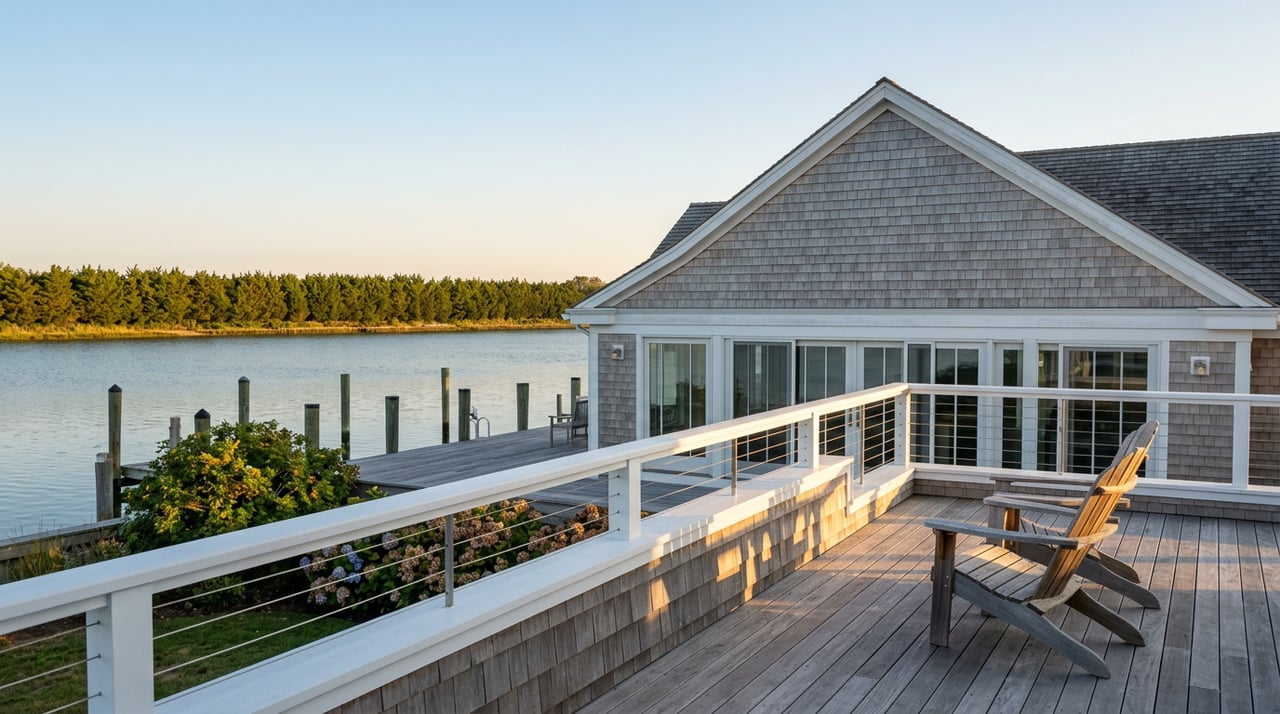
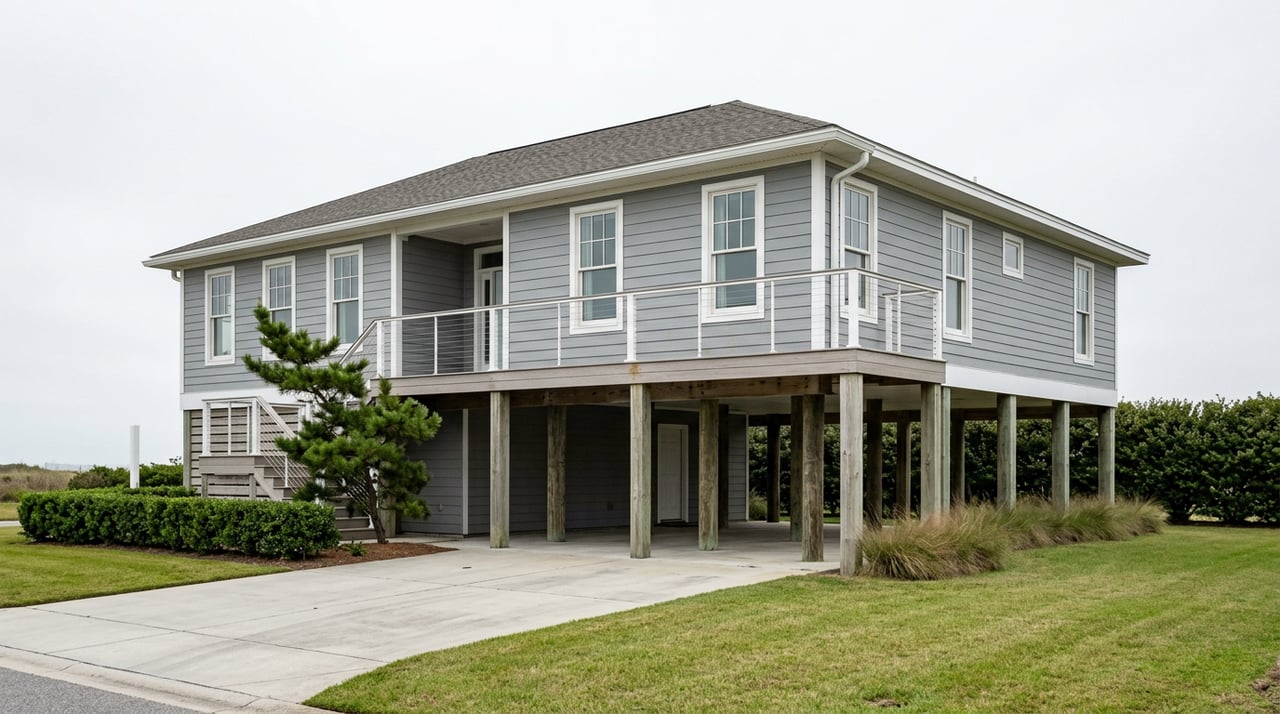
Ocean County’s luxury story centers on barrier islands and bayside living. Long Beach Island, Bay Head, and Mantoloking draw second‑home and seasonal buyers. Inventory and negotiation posture swing with the calendar, the weather, and rental demand.
Who buys and why
Many buyers are purchasing second homes, planning for summer use, or underwriting with short‑term rental income in mind. Regional buyers also come from Philadelphia and central New Jersey. Oceanfront and bayfront access, elevation, bulkhead condition, and rental potential rank high on the decision list.
Micro‑markets to know
- Long Beach Island. Barnegat Light, Beach Haven, Ship Bottom, and Surf City offer a deep selection of seasonal homes, modern rebuilds, and renovated cottages. Selection is typically strongest around peak listing months.
- Bay Head and Mantoloking. Small‑supply summer communities with historically high per‑square‑foot values for Ocean County. Condition, elevation, and proximity to water are critical pricing inputs.
- Mainland bayfront and Toms River waterfront. A mix of full‑time and seasonal buyers with accessible luxury compared to some Monmouth riverfronts.
- Seaside Heights and Seaside Park. Entertainment and rental‑oriented stock shaped by redevelopment cycles. Luxury listings exist but are fewer and more variable.
How this shapes pricing and timing
Seasonality is pronounced. In‑season listings on barrier islands often benefit from a bigger buyer pool and competition from rental‑minded investors. Off‑season buyers can find motivated sellers, especially when inventory is higher or specific property issues need resolution.
Velocity, selection, and timing
In Monmouth, year‑round utility supports steady demand in commuter‑friendly towns and lifestyle hubs. That can compress days on market in scarce segments even outside summer.
On the Ocean County islands, you will see wider swings. New listings and pendings cluster around spring and early summer, while late fall and winter often bring more negotiation flexibility. If you are weighing timing, compare the same months year over year in your exact micro‑market to avoid reading seasonality as a trend shift.
Negotiation strategies that work
If you are selling
- Time the market. List ahead of the primary buying season for your segment. On barrier islands, spring to early summer maximizes exposure to second‑home and rental buyers. In Monmouth’s commuter nodes, strong listings can perform throughout the year.
- Lead with resilience and livability. Call out elevated utilities, flood mitigation, energy features, and smart‑home systems. In seasonal markets, document rental history and occupancy.
- Pre‑empt appraisal issues. For one‑of‑a‑kind properties, prepare comps, an appraisal memo, and third‑party valuations to support price.
- Market to multiple buyer pools. Target both investment‑minded and end‑user buyers, and syndicate to out‑of‑area audiences that value Shore living.
If you are buying
- Show strength early. Present proof of funds or a jumbo pre‑approval letter. Luxury sellers expect certainty.
- Elevate due diligence. Obtain elevation certificates, bulkhead or sea wall reports, and permits. Confirm coastal construction compliance and certificates of occupancy after any rebuilds.
- Price the true cost. Request early quotes for flood and wind insurance. Tie premium ranges to elevation, mitigation features, and flood zone.
- Verify rental assumptions. For seasonal purchases, request historical rents and occupancy, plus HOA rental rules if you are buying a condo.
Common levers in Shore negotiations
- Closing speed and certainty. Flexible timing can trade for price on both sides.
- Inclusions and rights. Boatslips, beach rights, and fixtures can be bargaining chips.
- Repairs and credits. Agree on credits or seller‑funded work to keep deals on track.
- Post‑closing use. Leasebacks or short‑term rental management agreements can let sellers finish a season while delivering buyers a contracted price.
Risk, insurance, and build rules
Flood and elevation
Flood exposure and FEMA flood zone designations affect price, financing, and insurability in both counties. Barrier islands often face higher storm risk and underwriting complexity. Always review the elevation certificate, request flood quotes, and verify that any mitigation features are documented.
Construction and compliance
Confirm coastal construction code compliance and post‑storm rebuild documentation where applicable. Check for recent permits, final inspections, and a current certificate of occupancy. Ask about bulkhead condition and maintenance history on bayfront properties. On septic systems, verify age and service records or whether municipal sewer is available.
Rentals, HOAs, and assessments
For condos and townhomes, review covenants, assessments, and rental restrictions. If rental income is part of your plan, collect historical occupancy data, understand local ordinances, and confirm peak‑season rules. Review property tax history and ask about pending municipal assessments related to beach protection or flood mitigation.
Choosing between Monmouth and Ocean
- Choose Monmouth if you value year‑round living with commuter access, established downtowns, and a higher share of owner‑occupied luxury homes. Riverfront estates and premium oceanfront addresses often command strong end‑user demand.
- Choose Ocean if you want a second‑home or rental‑friendly market with deep seasonal selection on barrier islands. Island pricing is shaped by proximity to water, elevation, and rental potential, and negotiation can open up in the off‑season.
- Either way, match product type to your goal. Compare oceanfront to oceanfront, bayfront to bayfront, and inland estates to similar estates. Then track absorption and list‑to‑sale ratios in your exact band before you act.
Work with a Shore advisor
Luxury decisions at the Shore are part market data, part timing, and part negotiation. You deserve a partner who knows the micro‑markets, understands construction and resilience, and can market to the right buyers across the New York–Jersey City corridor. For a tailored read on your price band and neighborhood, request a private consultation with Christopher Pizzola.
FAQs
How is luxury defined in Monmouth and Ocean?
- Luxury is best defined by local percentiles, not a fixed dollar amount. Track the top 10 to 20 percent of closed sales as luxury and the top 5 to 10 percent as upper‑luxury in each county, then compare like product types.
Which Monmouth towns suit year‑round commuters?
- Long Branch and Red Bank offer North Jersey Coast Line access, with nearby Rumson and Fair Haven appealing to riverfront and estate buyers. Asbury Park adds luxury condo options with a lively amenity base.
What shapes pricing on Long Beach Island and nearby?
- Proximity to ocean or bay, elevation and bulkhead condition, build quality, and verified rental income potential drive values. Inventory depth and seasonality also influence negotiation.
How does flood insurance impact financing for Shore luxury homes?
- Lenders may require flood coverage based on FEMA zone. Premiums vary by elevation and mitigation features, so obtain quotes early and include them in your total cost of ownership.
When should I list a Shore luxury home for best exposure?
- On barrier islands, list before peak season to capture second‑home and rental buyers. In Monmouth’s commuter markets, strong listings can perform year‑round, but timing to local demand still matters.