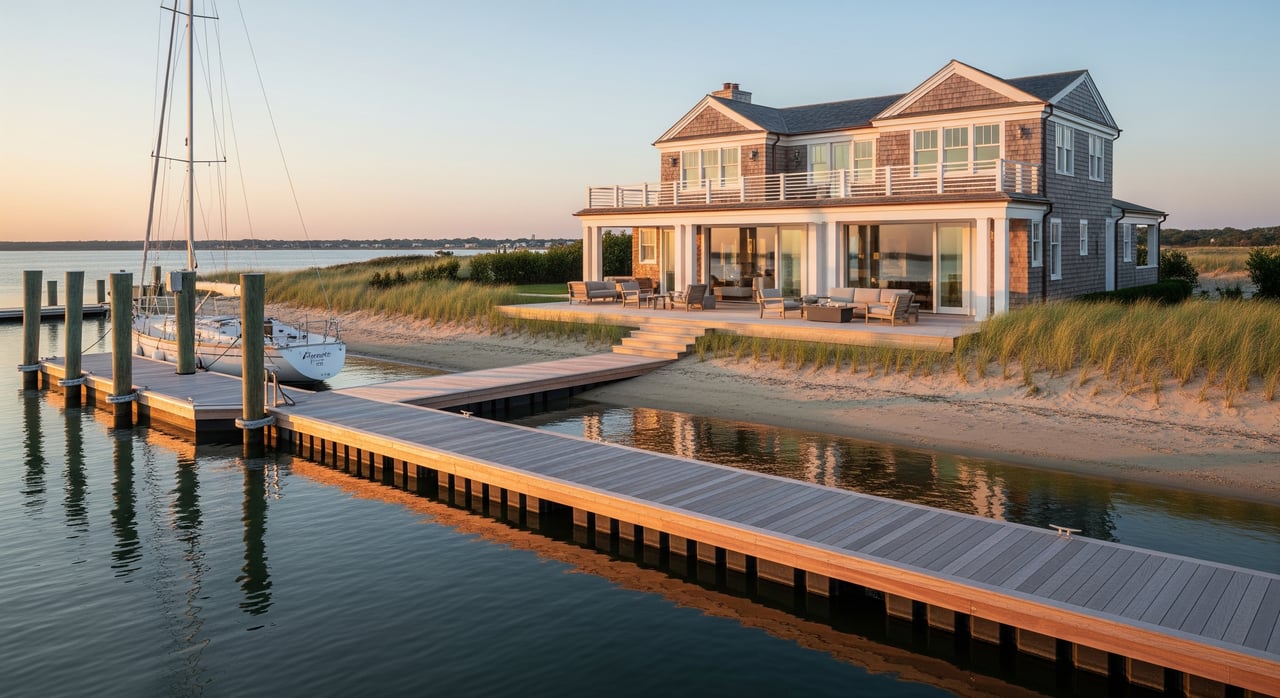
Bay Head Waterfront Pricing: Key Factors Behind Value
January 15, 2026
January 15, 2026
Why do two Bay Head homes on the water sell for very different prices? If you have watched listings jump in value from one block to the next, you are not imagining it. Small differences in frontage, view, elevation, and permitting history can add up to major pricing gaps. In this guide, you will learn the specific features that drive premiums in Bay Head and how to evaluate them with confidence. Let’s dive in.
Bay Head is a small, built-out borough on the Barnegat Bay, which means true waterfront lots are scarce. That scarcity supports higher prices per linear foot of frontage compared with inland homes. Demand is reinforced by the town’s historic character, walkable village center, and private beach culture in select areas. The Bay Head station is the terminus of NJ Transit’s North Jersey Coast Line, which increases appeal for seasonal and year-round NYC commuters.
Waterfront property in Bay Head offers a package of lifestyle and status benefits that inland lots cannot match. You get direct water access, open views, and a level of privacy that is hard to replicate. Because the supply of waterfront parcels is limited, small upgrades or superior site features can command noticeable premiums. The result is a market where details and documentation matter.
Linear feet of legal waterfront is one of the most sensitive drivers of price. Longer frontage expands your options for dock placement, boat mooring, and outdoor living. You should verify frontage through the deed, municipal maps, and a current survey. Clarify whether your frontage is on open bay or a narrow canal, since open-bay exposure usually trades higher.
Lot dimensions influence how large and livable your home can be after setbacks and coastal restrictions. Wider lots often allow broader homes, better separation from neighbors, and side-by-side amenities. Irregular or keyhole shapes can reduce usable space even if total area looks similar on paper. Ask for local zoning rules on lot coverage and setbacks, and obtain a certified survey before relying on assumptions.
Open-bay vistas typically carry the highest premium, followed by wide channel or river views, then canal or partial views. The permanence of the view matters just as much as today’s scenery. Consider whether nearby parcels could develop upward or whether vegetation could obstruct sight lines over time. A simple sight-line study from main living areas helps buyers understand what they are paying for.
Dockability is about more than a pier. Confirm riparian rights, water depth at low tide, and any shoaling that might limit navigation. Bulkhead condition can swing value in a big way, since replacement is costly and requires permits. In Bay Head, new docks or bulkhead work typically need approvals from the NJ Department of Environmental Protection and may involve the U.S. Army Corps of Engineers. Ask for recent bulkhead inspections, permit history, and any bathymetric or dredging records.
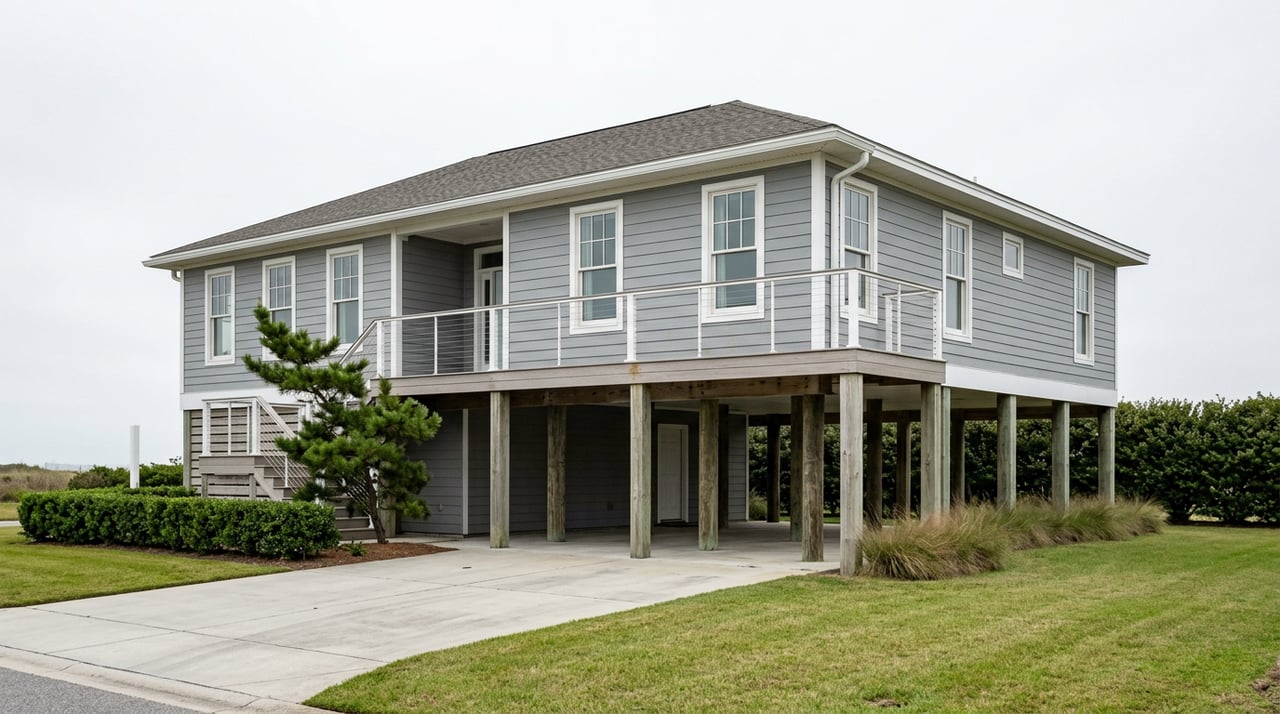
FEMA flood zones and Base Flood Elevations directly affect insurance costs, rebuild rules, and marketability. Homes elevated above BFE and built with resilient systems tend to hold value better after storms. Properties in high-velocity (VE) zones face stricter standards and higher insurance. Request the FEMA panel for the parcel, an elevation certificate, and any documented flood or repair history.
Dunes, beach nourishment, and bulkhead lines influence both risk and upkeep costs. A history of storm impacts or chronic erosion in the immediate area can affect buyer perceptions and lender requirements. Sellers who can document shoreline protections and maintenance may reduce perceived risk. Buyers should ask about any municipal or county plans that could affect future shoreline management.
Not every waterfront deed conveys the same water rights. Verify whether riparian rights are included and whether any easements or shared access agreements exist. These rights affect your ability to build or maintain a dock and to use the water for navigation and mooring. Deed language, historic surveys, and county records are the best sources for confirmation.
Typical approvals involve Bay Head Borough, Ocean County, the NJDEP Coastal Permit Program, and potentially the U.S. Army Corps for navigable waters. Setbacks from mean high water, tidal wetlands rules, and dune or vegetation protections can limit new work. Properties with prior, properly documented permits often enjoy clearer redevelopment paths and stronger buyer confidence. Homes that require variances or complex mitigation face uncertainty discounts.
Bay Head includes a historic district listed on the National Register of Historic Places. Local preservation rules may guide exterior changes and materials, which can protect neighborhood character while affecting renovation flexibility. If you plan significant updates, confirm whether the property lies inside the district and what review steps apply. This clarity supports better budgeting and fewer surprises.
Coastal communities sometimes use special assessments for projects like beach replenishment, bulkhead work, or harbor maintenance. These costs can affect net ownership and resale value. Review current municipal tax rates and ask about any pending assessments. After major storms, reassessments are possible, so check historical adjustments.
Buyers often pay more to be within a short walk of Bay Head’s village center and train station. Quick access to shops, dining, and the terminus station improves year-round usability. A documented walking time to the station or downtown can help quantify this premium. The same goes for proximity to private beach access where applicable.
Because Bay Head anchors the North Jersey Coast Line, schedule convenience and station access matter to NYC-connected buyers. Short drives or walks to the station, along with reliable weekend service, can expand the buyer pool. That broader demand can lift pricing for well-located homes. If you are selling, highlight realistic commute details in your marketing.
Some blocks offer private beach or club memberships that come with fees and rules. When present, these rights are an asset for lifestyle and value, especially for seasonal use. The key is clarity on membership terms and costs. Buyers should ask for documentation and confirm whether rights transfer with the deed.
Custom coastal design, high-quality finishes, and engineered foundations can justify higher pricing through replacement cost and durability. Provenance, such as a notable architect or documented historic significance, can also support a premium. In a boutique market like Bay Head, these intangible factors influence the story a property can tell. Presentation should align with the caliber of the home.
Bay Head attracts both vacation-home buyers and full-time residents. Seasonal homes may show different pricing dynamics and volatility. Year-round buyers often prioritize resilience, access to daily amenities, and carry costs. Understanding your likely buyer profile helps right-size pricing and marketing.
Appraisers and experienced agents compare recent sales of true waterfront homes to nearby non-waterfront properties, controlling for lot and house size and condition. Price per front foot is a helpful shorthand but must be adjusted for view quality, frontage type, depth, and any easements. For architecturally significant homes, price per square foot is often paired with a replacement-cost lens. Always consider elevation, dock rights, and walk-to-town distance alongside the headline numbers.
The uplift from a water view varies widely. Open-bay vistas usually outpace canal or partial views, and elevation can either amplify or reduce that premium. Dockability and proven permits are often decisive for boating buyers. Local comps, not national averages, should anchor your expectations.
For sellers, the list price should reflect frontage length, view quality, documented dock rights, bulkhead condition, elevation relative to BFE, and walk-to-town distance. Reducing uncertainty with complete documentation can narrow negotiations and speed time to contract. Properties with higher flood exposure may face longer marketing times and added financing friction, so expectations and disclosures matter. For buyers, align your offer with verified features and permitability rather than assumptions.
Ready to position your Bay Head property for maximum value or to evaluate a waterfront purchase with confidence? Connect with Christopher Pizzola for a discreet, data-driven plan and targeted exposure to qualified Shore and NYC-metro buyers. Request a private consultation and move forward with clarity.
Stay up to date on the latest real estate trends.


Providing his clients with a true luxury brand and representation is the foundation of his business. Contact him today to find out how he can be of assistance to you.