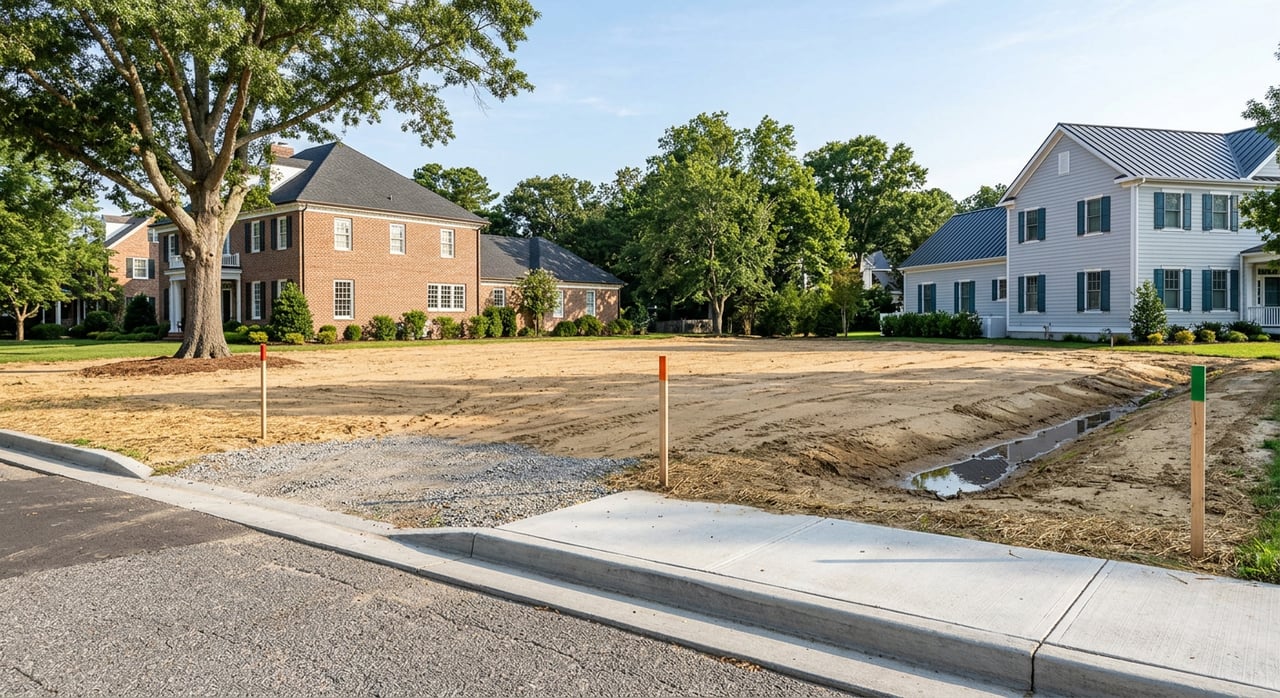
Evaluating Fair Haven New Construction Lots With Confidence
March 5, 2026
March 5, 2026
Considering a teardown or subdivision in Fair Haven? The right lot can turn into a standout new build, but one hidden constraint can derail your plan and budget. You want clarity on what makes a parcel viable before you write an offer or line up capital. This guide walks you through the exact checks that matter in Fair Haven so you can move forward with confidence. Let’s dive in.
A new construction lot in Fair Haven is viable when three filters line up: zoning compliance, flood and riparian clearance, and reliable utilities. If a parcel meets bulk standards or needs only minor relief, sits outside restrictive flood or riparian zones, and has public sewer and water, you likely have a clean path. If any of those items are off, expect more time, permits, and cost.
Start by confirming the parcel’s zone and reading the full bulk table for that zone. Fair Haven’s Area, Yard and Building Requirements list minimum lot size and frontage, setbacks, lot coverage, floor area ratio, and maximum stories for each residential district, such as R‑5, R‑7.5, and R‑10. Review the exact row that applies to your lot in the borough’s attachment for area and yard standards. You can access the official table in the borough code’s Attachment 3 for area, yard, and building requirements here.
Next, check flood and riparian constraints. Fair Haven maps a Flood Hazard Overlay that works with state and FEMA rules. Use FEMA’s Map Service Center to find your panel and Base Flood Elevation, then confirm whether any NJDEP flood hazard or riparian zones apply to the site. Start with the FEMA Flood Map Service Center here and review NJDEP’s Flood Hazard Area Control Act guidance here.
Confirm public sewer and water service with the Borough or the municipal engineer. If the lot relies on older systems or capacity is tight, connection approvals can slow your schedule and add cost. The borough’s land use chapter outlines development review pathways and where municipal coordination will be required; you can review those provisions here.
Fair Haven’s residential districts have distinct minimums for lot area and frontage that drive teardown and subdivision math. For example, the R‑5 district shows a minimum lot area of 5,000 square feet and frontage near 50 feet in the borough’s bulk table. Always validate your lot’s zone and then read the entire row for setbacks, coverage, and FAR, since those standards shape your buildable envelope. Reference the borough’s official area and yard table here.
Fair Haven’s “Prevailing Front Yard Setback” for new construction requires you to use either the zone’s front setback or the average front setbacks within 200 feet on the same side of the street, whichever is greater. This protects the neighborhood street line and can push your new footprint back beyond the base setback. Plan your layout with this rule in mind. You can review the prevailing setback standard in the land use chapter here.
Residential projects must meet off‑street parking requirements and driveway placement rules. Garage spaces count only when driveway depth and configuration meet code, so confirm your layout supports both parking and the living area you want. Parking and driveway standards appear in the borough’s land use code here.
Riverfront parcels along the Navesink have special orientation and setback rules. The borough allows the water‑side yard to function as a front yard when certain frontage criteria are met, and it sets a minimum river setback of the greater of 50 feet or the average of abutting riverfront setbacks, capped at 75 feet. Docks, bulkheads, and related work will involve NJDEP and potentially state tidelands review. See the riverfront provisions in the land use chapter here.
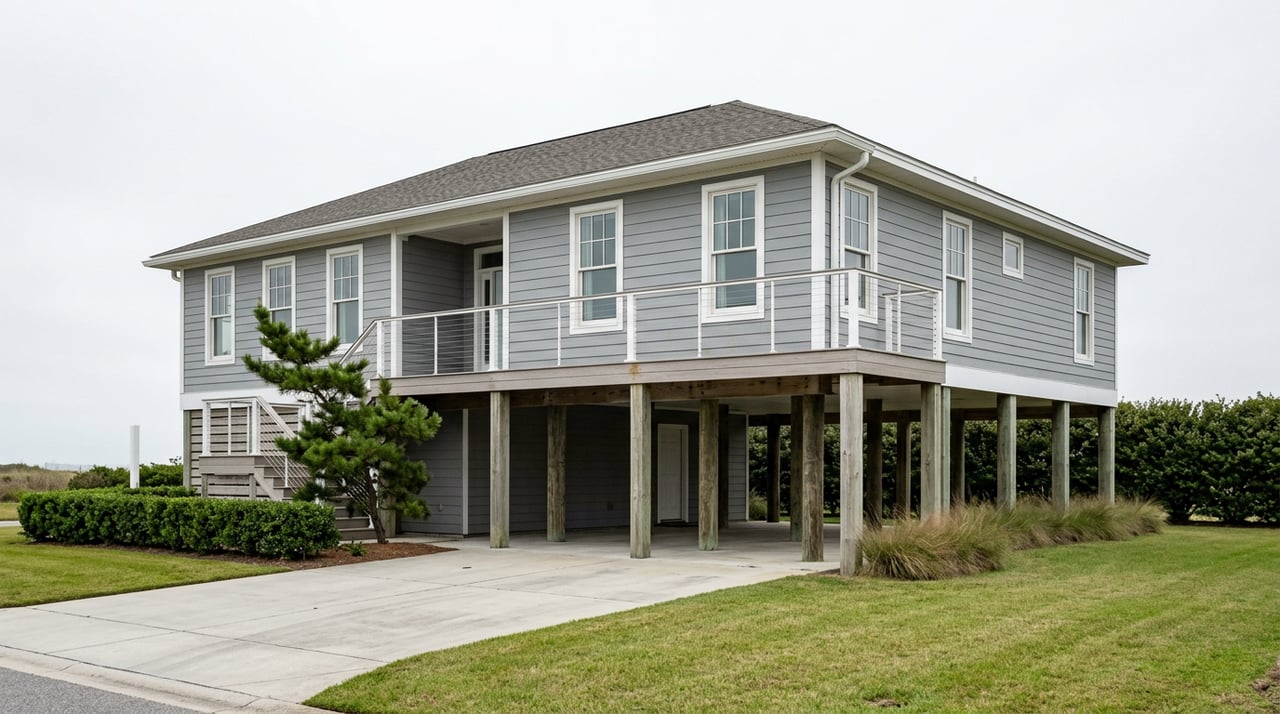
Flood and coastal rules can materially affect design, insurance, and timing. Verify them before you underwrite.
Plan for a clear municipal path. Fair Haven uses the Planning Board for subdivisions and site plans and the Zoning Board of Adjustment for variances. A Technical and Design Review Committee offers pre‑application input that can save you cycles. You can review board roles and processes in the land use chapter here.
The borough also outlines demolition and temporary occupancy logistics. Under specific conditions, an owner may keep an existing house occupied while a new dwelling is built on the same lot, subject to a bond and strict timing for demolition after the new CO. This can help manage carrying costs but requires careful coordination. See the demolition and occupancy provisions here.
Do not overlook local overlays and site rules. If a property sits in the local historic district, exterior changes or demolition may trigger Historic Commission review. Tree removal now requires permits for larger trees, potential replacement plantings, and use of registered tree‑care businesses. You can find historic and general land use references here and the tree protection ordinance here.
Finally, budget for escrows and inspections. Land use approvals often require escrow deposits for professional reviews, performance guarantees, and inspection escrows. The borough outlines these processes in its land use code here.
Fair Haven is a low‑inventory, high‑value pocket of Monmouth County. New construction and river‑oriented homes often earn premiums, while visible flood risk, lack of off‑street parking, or extensive remediation needs can weigh on pricing. Because micro‑pricing shifts block by block, validate your underwriting with recent, like‑kind MLS sales within the immediate area.
Buyer preferences in this market often include updated finishes, modern mechanicals, garage or driveway parking, and proximity to local schools and amenities. If your program can deliver those features while respecting flood and riparian constraints, the right lot can support strong resale. Pair the checks in this guide with a hyper‑local comp set before you commit to plans and materials.
Run these steps in order to get to yes or no quickly:
If you are weighing a teardown, subdivision, or a river‑oriented new build in Fair Haven, the path is clear when you apply the right filters. Confirm zoning compliance, clear flood and riparian rules, and dependable utilities, then validate your resale with tight MLS comps. With a focused pre‑offer checklist and the right partners, you can move from concept to permits with fewer surprises.
For a property‑specific review of zoning, flood panels, and likely approvals, request a private consultation with Christopher Pizzola.
Stay up to date on the latest real estate trends.





Providing his clients with a true luxury brand and representation is the foundation of his business. Contact him today to find out how he can be of assistance to you.