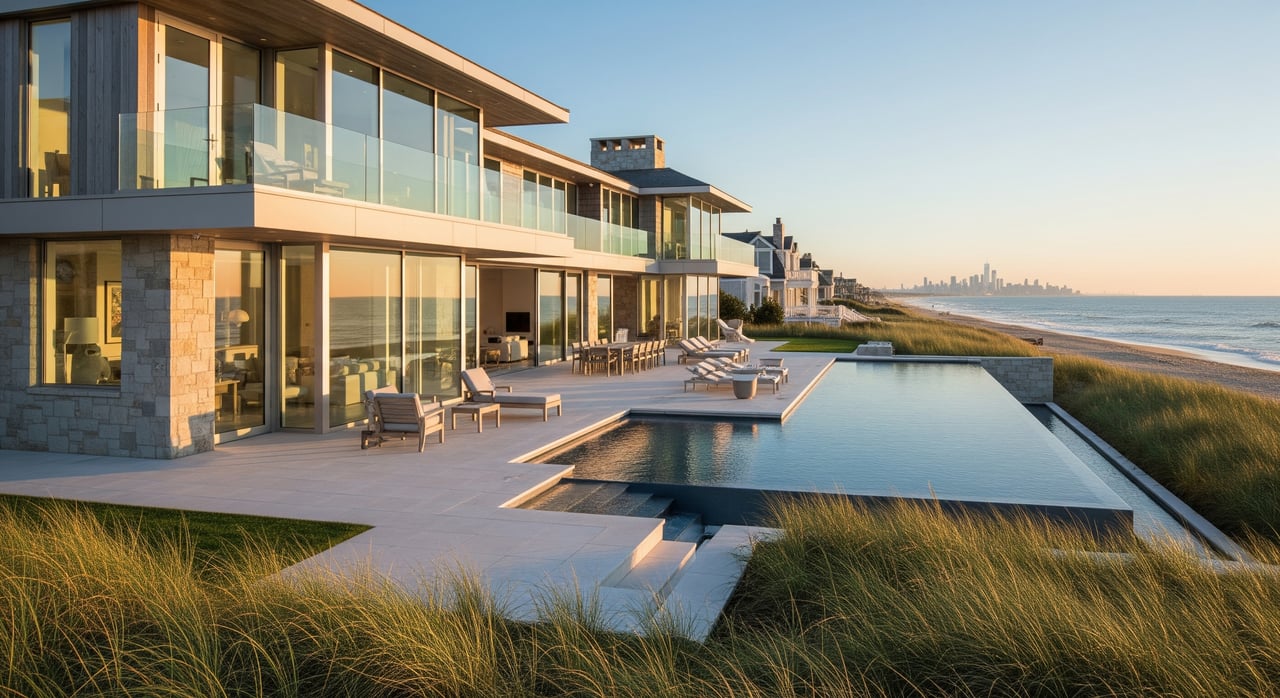
Pricing Luxury Listings for NYC‑Driven Shore Demand
November 6, 2025
November 6, 2025
Is your ideal buyer coming from New York City? If you own a luxury home between Rumson and Mantoloking, that answer is often yes. These buyers value a predictable commute, seasonal rental potential, and peace of mind around flood risk. In this guide, you’ll learn how to price for NYC-driven demand, how local rules and elevation affect value, and how a three-tier launch can help you capture top-dollar outcomes. Let’s dive in.
NYC-driven demand sets the tone along this corridor. Second-home buyers, summer renters, and year-round commuters create a deep, high-liquidity buyer pool. Seasonality matters, with a spring-to-summer surge that can boost visibility and rental income potential.
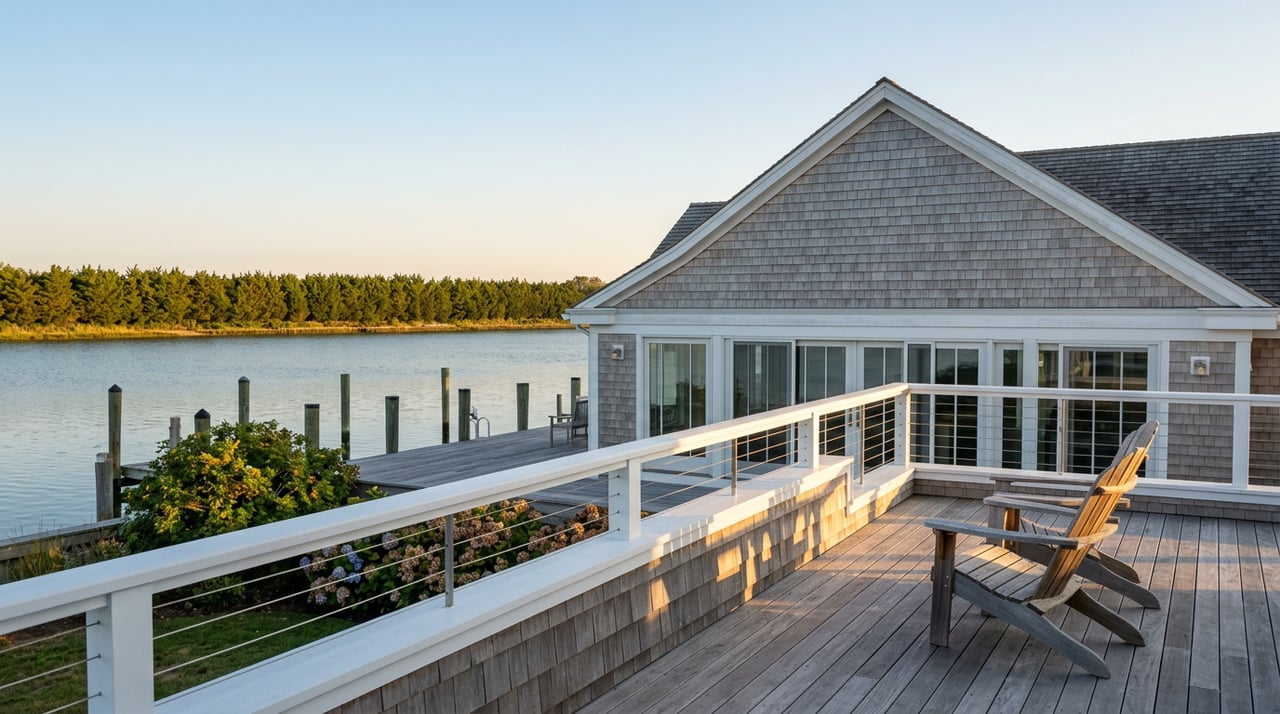
Product type changes everything. Oceanfront, bayfront, back-bay, and elevated inland homes attract different buyers and carry different risk. Architectural quality, lot elevation, docks, and dependable parking are high-value features.
Local rules and insurance costs are now front and center. Flood risk and insurance pricing are shaped by FEMA’s Risk Rating 2.0 and updated flood maps. Municipal short-term rental rules and local taxes vary by town. You should model these factors directly, not as soft variables.
Digital and private distribution work best together. High-net-worth NYC buyers expect polished digital assets and a degree of discretion. Private previews paired with a strong public launch help you create urgency and reach.
Reliable transit and ferry options shorten door-to-door time and widen your buyer pool. Proximity to North Jersey Coast Line stations like Red Bank, Little Silver, Long Branch, Asbury Park, Belmar, Bradley Beach, Point Pleasant Beach, and Bay Head supports value. Predictability often beats raw distance, especially on summer weekends.
To price it, compare comparable sales that differ mainly by commute convenience. A reliable sub-90-minute door-to-door option can justify a percentage uplift versus otherwise similar homes that require long drives. Treat this as an adjustment to comps rather than a flat number.
Short-term rental policies vary by town. Rules can include registration or permitting, occupancy and parking limits, and local transient occupancy taxes. When rentals are allowed and straightforward, documented summer income can lift value. Where rentals are restricted or prohibited, buyers who need income may discount or step back.
To price it, estimate net seasonal income and capitalize it. If rules are tight, model both an owner-occupier scenario and an investor scenario so buyers see value under either use. Always verify municipal code, clerk guidance, and any HOA rules.
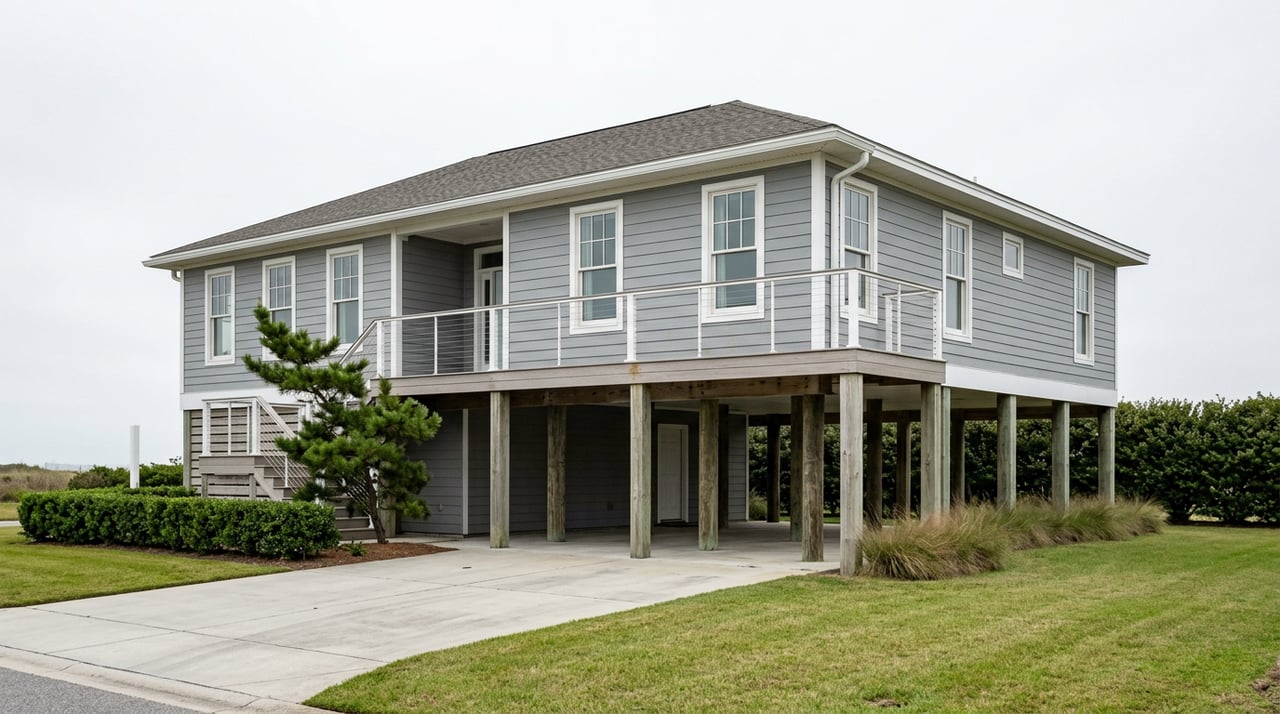
Flood exposure and elevation drive carrying costs and buyer comfort. Special Flood Hazard Areas, Base Flood Elevation, and velocity zones can affect insurance requirements and pricing. Elevated structures and mitigation features tend to preserve value and reduce premiums.
To price it, run scenarios using current quotes and projected increases under Risk Rating 2.0. Translate annual flood premiums into a present value adjustment or use a yield-based shortcut. Weigh mitigation costs against long-term insurance savings and buyer preference.
Rumson offers large lots and deep riverfronts, with strong appeal to NYC professionals who value year-round commuting. Proximity to nearby rail and ferry options helps support premium pricing. Flood exposure concentrates on direct waterfront; inland parcels often carry commuter value without ocean exposure.
This cluster benefits from strong rail access at Long Branch and nearby stations. You see a mix of commuters and second-home renters. Density and condo development have grown along transit corridors. Prices vary sharply between oceanfront and inland blocks.
Seasonal rental activity is strong, and the summer scene drives foot traffic. Belmar and Point Pleasant, with public beaches and active boards, tend to support rental economies where permitted. Rail access serves certain towns here, though commute convenience declines a bit farther south.
Mantoloking is an exclusive barrier island with limited inventory, high privacy, and premium oceanfront values. Flood exposure and mitigation are central to pricing. Bay Head’s rail station helps for commuter and seasonal traffic, and proximity to Mantoloking’s lifestyle adds appeal.
Start with 12 to 18 months of comparable sales. In thin luxury segments, expand to 24 months with careful adjustments. Segment comps by commute access, product type, and likely use (primary, second home, or investor). Create price bands rather than one number to reflect varied buyer priorities.
Use a paired-sales mindset. Compare two close comps that differ mainly in commute time and reliability. Express the difference as a percentage, then adjust your subject property’s value within your price band. Document your logic so buyers trust the number.
Apply a simple cap-rate approach when rentals are allowed.
This frames the income potential without overpromising. Always state assumptions clearly.
Run at least two insurance scenarios using current quotes and a sensitivity case that reflects possible premium increases. Convert annual costs into a present value adjustment or a yield-based discount. If mitigation is feasible, compare one-time elevation or floodproofing costs to expected insurance savings and marketability benefits.
Owner-occupiers care about monthly carrying costs across mortgage, taxes, homeowners and flood insurance, and utilities. Investor buyers care about net yield and seasonal occupancy. Present both views if your property could attract both segments.
Run a 7 to 14 day pre-market period for top NYC broker networks, waterfront specialists, and select past clients. Host broker previews and private showings that fit NYC schedules. Share a password-protected 3D tour, floor plans, drone photography, and a brief agent video. Offer concierge transportation to make visits effortless.
Go live on MLS with polished visuals like twilight photography, drone, and a full 3D tour, plus a single-property site featuring commute options and rental or insurance notes. Use geo-targeted advertising to high-income NYC ZIP codes and curated email to brokers, relocation partners, and investor lists. Time PR outreach to luxury real estate media after private previews.
Retarget site visitors with high-quality creative that links back to the private tour. Host a second broker open to capture pent-up interest. Provide a sample rental pro forma, flood or insurance summaries, and a quick guide to nearby transit. Track inquiries, tour engagement, feedback, and offers, then adjust price or messaging based on the data.
You need a partner who understands the corridor and can market to NYC buyers with precision. Christopher Pizzola pairs local authority with the global reach of Heritage House Sotheby’s International Realty. Expect bespoke creative, targeted digital advertising, and curated broker syndication that protects privacy while driving real demand. Construction and renovation experience helps you fine-tune presentation and address elevation or mitigation questions with confidence.
If your home is rental-capable and you want to capture peak summer demand, list in early spring, typically March through May. That timing supports showings, negotiation, and closing before the season. If your property targets year-round owners at the highest tier, a fall or winter launch can work well with less competition and more focused buyers.
Ready to price with confidence and launch the right way? Connect with Christopher Pizzola for a focused, private strategy session and a custom pricing model for your home. Request a private consultation.
Stay up to date on the latest real estate trends.



Providing his clients with a true luxury brand and representation is the foundation of his business. Contact him today to find out how he can be of assistance to you.