
Jumbo vs. Conforming at the Jersey Shore: How to Choose
October 9, 2025
October 9, 2025
Choosing the right mortgage type is as important as choosing the right home. At the Jersey Shore, price points vary from inland neighborhoods to oceanfront streets, and that difference can push your loan into very different buckets. The structure you pick can change your payment, approval odds, and even your leverage in negotiations. This guide gives you a clear framework to decide between jumbo and conforming financing for a Shore purchase.
Shore buyers often face a simple but high‑impact choice: stay inside the conforming box or step into jumbo. Conforming loans are widely available and follow standardized rules. Jumbo loans can open doors at higher price points and for unique properties, but they are set by each lender and usually ask more of the borrower.
Your goal is to line up a loan that fits the property, your occupancy plans, and your tolerance for documentation and cash tied up at closing. Once you understand where your target price lands relative to county limits, the answer usually comes into focus.
Each county sets the line between conforming and jumbo under federal rules. For 2025, the national baseline one‑unit conforming limit is 806,500 dollars and the high‑cost ceiling is 1,209,750 dollars. Several Jersey Shore counties, including Monmouth and Ocean, use the high‑cost ceiling. If your needed loan amount stays at or below the county limit, you can access conforming or high‑balance conforming. Above it, you are in jumbo territory per FHFA’s 2025 announcement.
In high‑cost counties, a high‑balance conforming loan bridges the gap between standard conforming and full jumbo up to the county ceiling Fannie Mae loan limits reference. If your price requires more than the ceiling, lenders move to portfolio or investor jumbo programs with their own overlays. Pricing and flexibility vary by institution, which is why it pays to compare banks, credit unions, and brokered options.
Where you land relative to the limit affects how much cash you need. Staying within conforming often allows lower down payments paired with PMI, which you can plan to remove later as equity grows CFPB overview. Crossing into jumbo usually means larger down payments and reserve requirements, since lenders are taking more risk without agency backing jumbo qualification overview.
Occupancy matters. A true second home is typically underwritten differently than an investment property with short‑term rental intent. If you plan to rent your Shore home, even part‑time, flag that early. Lenders will adjust pricing and documentation for investment use, and some condo projects with short‑term rentals are not eligible for agency financing.
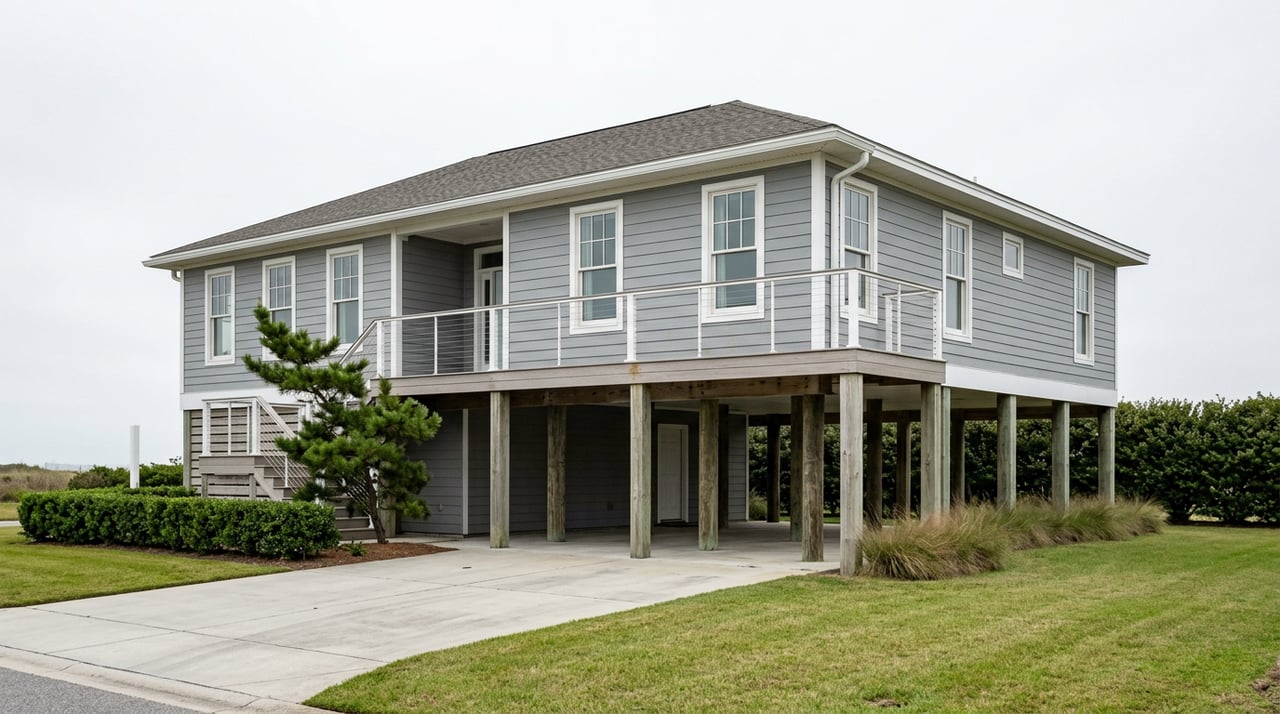
Many Shore properties sit in or near FEMA Special Flood Hazard Areas. If so, your lender will require flood insurance. Premiums can materially change your debt‑to‑income ratio and approval, so get quotes early. Some properties also need an Elevation Certificate to properly rate coverage per FloodSmart.gov and FEMA’s terminology index. Build these costs into your monthly payment analysis from day one.
Agency rules screen condo projects for eligibility. Buildings with heavy short‑term rentals, unresolved litigation, or low reserves can be labeled non‑warrantable, which limits conforming options and can push you toward jumbo or portfolio financing with higher down payments or different terms. Verify project status early in your process non‑warrantable overview.
Oceanfront estates, bayfront lots, and boutique micro‑markets can be hard to value. With limited comparable sales, lenders may order second appraisals or field reviews on large loans. That can affect timelines and negotiation strategy if value comes in short see a lender bulletin on additional valuations and an industry look at luxury appraisal pitfalls here.
Your total cost is more than the rate. Compare:
Jumbo menus often include fixed and adjustable‑rate options. ARMs can lower the initial rate and payment for buyers who plan to refinance or sell within a known timeline. Fixed rates add certainty if you intend to hold long term. Match the structure to your hold period, cash flow, and risk tolerance.
Permanent points can make sense if you plan to hold the loan long enough to break even on the upfront cost. Temporary buydowns are sometimes used on new construction or builder‑partnered deals. Confirm with your lender how buydowns interact with jumbo guidelines and whether they improve your approval odds or just shift cash from one bucket to another.
Move beyond a quick prequal. Ask for a fully underwritten pre‑approval that reviews income, assets, and credit before you bid. That reduces surprises and can strengthen your offer stance on tight listings.
Request written Loan Estimates, confirm reserve and appraisal requirements, and ask how the lender handles second‑home vs. investment classification. If FHA or VA fits your profile, remember those programs have separate rules and limits that may help on specific transactions HUD announcement.
In competitive segments, align your contingency timelines with lender capacity. If a jumbo requires a second appraisal, negotiate enough time to complete it. Prepare for appraisal gaps on unique properties with strategies like increasing down payment, negotiating price, or using a seller credit to offset rate buydowns. Build buffer days for flood insurance quotes and any required Elevation Certificate FloodSmart overview.
A clear financing plan lets you move decisively on the right property. If you are weighing conforming, high‑balance, or jumbo options, we can help you map county limits to your target towns, introduce vetted lenders, and design a contract strategy that protects your interests while keeping you competitive. Request a private consultation with Christopher Pizzola. We will align your financing with your search, from oceanfront estates to riverfront retreats and in‑town luxury.
Stay up to date on the latest real estate trends.






Providing his clients with a true luxury brand and representation is the foundation of his business. Contact him today to find out how he can be of assistance to you.