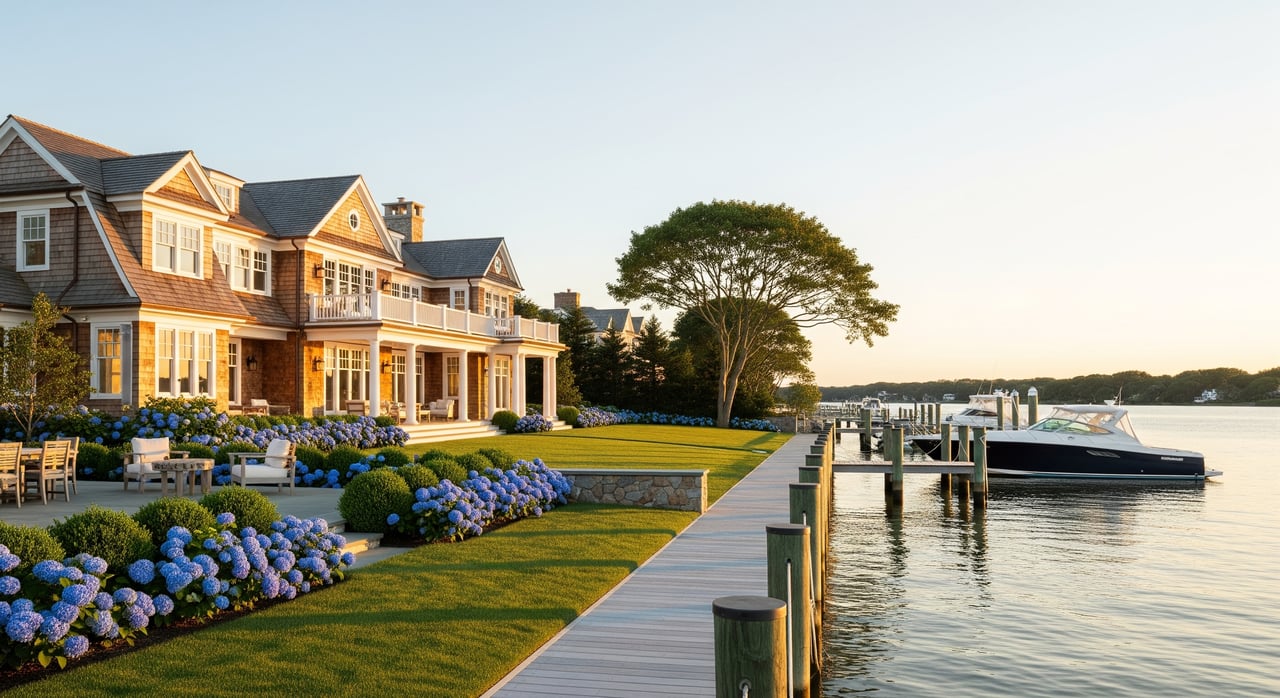
Jumbo Loans for Jersey Shore and Rumson Buyers
November 21, 2025
November 21, 2025
Shopping for a Rumson shore home and hearing the word “jumbo” a lot? In a market where many properties top standard loan limits, it is normal to wonder how financing works and what lenders expect. You want a smooth closing, a strong offer, and no surprises about appraisals or flood insurance. In this guide you will learn what defines a jumbo loan here, how underwriting and appraisals work for coastal homes, what drives rates, and why early pre-approval helps you compete. Let’s dive in.
A jumbo mortgage is any loan that exceeds your county’s conforming loan limit. Those limits are set each year by the Federal Housing Finance Agency. In 2024, the baseline single-family limit is $766,550, and some high-cost counties have higher caps. The key is to confirm the current limit for your property address before you shop.
You can verify the exact county limit using the FHFA’s conforming loan limit map and annual release. Checking this early helps you set a realistic budget and choose the right lender. In Rumson and nearby shore towns, many properties price above the conforming cap, so jumbo financing is common.
In competitive shore markets, a simple pre-qualification is not enough. A full pre-approval with a conditional credit decision shows sellers that your financing is solid. It also surfaces any documentation, appraisal, or insurance hurdles before you are under contract.
The Consumer Financial Protection Bureau explains how a true pre-approval works and why it can strengthen your position. Aim to complete yours 2 to 4 weeks before you plan to write offers. That timeline gives your lender time to review complex income, assets, and any coastal insurance needs.
Jumbo underwriting is often stricter than conforming because most jumbo loans are not sold to Fannie Mae or Freddie Mac. Many lenders prefer higher credit scores, often 720 or above for best pricing, with case-by-case flexibility. Debt-to-income ratios typically need to be at or below the mid-40 percent range, with stronger compensating factors when higher.
Expect higher cash reserve requirements than standard loans. Six to twelve months of total mortgage payments in reserves is common. If you are buying a second home, reserve expectations can increase.
Traditional private mortgage insurance is usually not available for jumbo amounts. That means you will likely need a larger down payment to meet a lender’s loan-to-value guidelines. Primary residences often start around 10 to 20 percent down, while second homes commonly require 20 to 30 percent or more.
Some banks and non-QM lenders offer higher-LTV jumbo options, but they usually come with higher rates or stricter reserve rules. Discuss the tradeoffs upfront so you can compare total costs over time.
Jumbo lenders ask for full documentation and may request extra items for shore properties. Start gathering these early:
High-end shore properties can be hard to compare. Appraisers may need to use broader-area sales, make larger adjustments, or seek a second review. That can lead to value gaps versus contract price, especially when recent similar sales are scarce.
Provide upgrades, contractor invoices, and a list of community amenities to help support value. The Appraisal Institute offers helpful context on how appraisals are developed for complex properties.
If a property sits in a FEMA-designated Special Flood Hazard Area, flood insurance will be required by most lenders. In some cases, lenders also require coverage outside those zones. You or your insurer can confirm risk using FEMA’s Flood Map Service Center.
An elevation certificate may be needed to determine Base Flood Elevation and to price coverage. Policies can be written through the National Flood Insurance Program or private carriers. Discuss expected coverage amounts with your lender early so insurance does not delay closing.
Lenders and insurers often ask about wind and coastal construction features. Impact-rated windows, reinforced roofing, shutters, and foundation type can influence insurability and pricing. Shoreline elements such as bulkheads, riparian rights, or dune setbacks can also affect value and lender comfort.
If you plan improvements, understand local coastal rules before closing. New Jersey’s Department of Environmental Protection publishes coastal management and permitting guidance for projects along the Shore.
Jumbo pricing depends on your credit score, loan amount, loan-to-value, and occupancy. Property type and condition also matter, since coastal risk and unique features can narrow lender options. Product structure makes a difference too, from fixed to adjustable and interest-only choices.
Rates also move with the broader market. Lenders price relative to Treasury and swap markets. For context on weekly mortgage trends, review Freddie Mac’s Primary Mortgage Market Survey.
The best fit depends on your profile and the property. Compare total cost, reserve rules, prepayment flexibility, and how each lender underwrites coastal risks.
Jumbo transactions often take longer than standard conforming loans. Plan for roughly 30 to 60 days from application to closing, and build in extra time for appraisal scheduling, especially in peak summer months. You can reduce friction by front-loading your documentation and insurance work.
Use this simple roadmap:
A clear, proactive file signals low risk to the seller and increases your odds of winning in multiple-offer situations.
Rumson and nearby shore markets often require jumbo financing. When you confirm your county limit, secure a full pre-approval, plan for coastal insurance, and anticipate appraisal complexity, you put yourself in position to act quickly and close with confidence. If you want a local advisor who understands the nuances of waterfront deals and how to present a strong offer, reach out.
Ready to talk strategy for your next Rumson or Jersey Shore purchase? Request a private consultation with Christopher Pizzola.
Stay up to date on the latest real estate trends.



Providing his clients with a true luxury brand and representation is the foundation of his business. Contact him today to find out how he can be of assistance to you.